Build predictable restorative outcomes through practical occlusion
Occlusion is central to predictable treatment and restoration longevity. This intensive, in-person two-day course combines theory with hands-on teaching to help dentists assess, record and manage complex occlusal cases—and apply occlusal concepts confidently in everyday practice.
What you will learn
Assess the occlusal system extra-orally, including the temporomandibular joint and muscles of mastication, and identify possible parafunction.
Assess and record static and dynamic occlusal patterns.
Locate centric occlusion, centric relation and the initial point of contact, with practical use of leaf gauges and Lucia jigs for deprogramming.
Understand facebows, jaw registrations and articulators, including articulator settings and customised incisal guidance tables.
Improve communication with the dental laboratory technician.
Plan complex occlusal cases step by step.
Understand anterior and posterior tooth anatomy and morphology, create diagnostic wax-ups, and modify laboratory wax-ups.
Recognise the challenges of anterior open bite, crossbites and “last tooth in the arch syndrome”.
Manage the occlusal aspects of pathological wear, including cases involving an increase in occlusal vertical dimension (OVD).
Understand splint therapy, the different splints available and their indications.
Assess parafunction and manage occlusal force distribution on restorations.
Practical hands-on experience
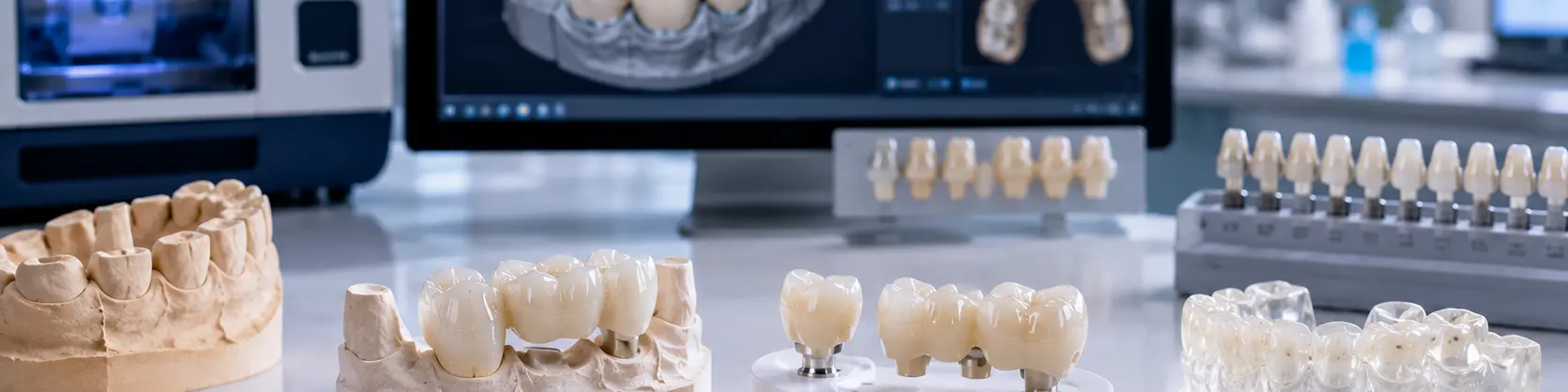
Under guidance from the clinical and laboratory tutors, delegates will take facebows and jaw registrations of one another, mount study models on articulators, modify articulator settings, produce customised incisal guidance tables, wax anterior and posterior teeth, and modify diagnostic wax-ups supplied by the laboratory.
Course structure and timetable
The course is delivered over two days:
Day 1 – Assessment, records, facebows and articulators
Comprehensive extra-oral and intra-oral assessment of the occlusal system
Occlusal records, centric positions and deprogramming
Facebows, articulators, customised incisal guidance and laboratory communication
Day 2 – Planning, wax-ups, morphology and splints
Advanced treatment planning for complex occlusal cases
Anterior and posterior anatomy, morphology and diagnostic wax-ups
Splint therapy and indications
Registration is from 8:45–9:00am, followed by teaching from 9:00am–5:00pm each day.
Learn from experienced clinicians and a dental technician
The tutor team includes:
Richard Porter, GDC-registered specialist in Prosthodontics, Endodontics, Periodontology and Restorative Dentistry; former Restorative Dental Consultant and care group lead at a large London teaching hospital, and co-founder of Aspire Dental Academy.
Dr Raheel Malik, King’s College London dental graduate, award-winning clinician and published contributor, and co-founder of Aspire Dental Academy.
Alan Smyth, dental technician with experience in crown and bridge, implant and prosthetic work, private laboratory management, and laboratory operations at Precision Dental Lab.
CPD and completion
Each day carries 7 verifiable enhanced CPD hours, giving 14 hours across the full two-day course when both days are completed. Participants must sign in as proof of attendance. A certificate is produced at the end of the course provided the course has been completed; there is no formal assessment required to gain the CPD hours.
Advanced Occlusion and Wax-up is also listed as one of the courses required for Aspire’s EduQual Level 7 Diploma in Advanced Aesthetic Restorative Dentistry pathways. Completing this course alone does not constitute the diploma; the additional pathway courses must also be completed.
After the course, delegates receive continued mentorship through the Aspire Lounge platform.
CPD Hours
14 Hours
Target Audiences
Dentist
Categories
OcclusionTooth WearAdvanced RestorativeSplint TherapyFull Case Planning
Qualifications
Certificate
Course Formats
In Person
Available Sessions
18 Nov 2026
Aspire HQ, 29-35 Mortimer St, London, W1T 3JG
£1,499.00
About This Course
Build predictable restorative outcomes through practical occlusion
Occlusion is central to predictable treatment and restoration longevity. This intensive, in-person two-day course combines theory with hands-on teaching to help dentists assess, record and manage complex occlusal cases—and apply occlusal concepts confidently in everyday practice.
What you will learn
Assess the occlusal system extra-orally, including the temporomandibular joint and muscles of mastication, and identify possible parafunction.
Assess and record static and dynamic occlusal patterns.
Locate centric occlusion, centric relation and the initial point of contact, with practical use of leaf gauges and Lucia jigs for deprogramming.
Understand facebows, jaw registrations and articulators, including articulator settings and customised incisal guidance tables.
Improve communication with the dental laboratory technician.
Plan complex occlusal cases step by step.
Understand anterior and posterior tooth anatomy and morphology, create diagnostic wax-ups, and modify laboratory wax-ups.
Recognise the challenges of anterior open bite, crossbites and “last tooth in the arch syndrome”.
Manage the occlusal aspects of pathological wear, including cases involving an increase in occlusal vertical dimension (OVD).
Understand splint therapy, the different splints available and their indications.
Assess parafunction and manage occlusal force distribution on restorations.
Practical hands-on experience
Under guidance from the clinical and laboratory tutors, delegates will take facebows and jaw registrations of one another, mount study models on articulators, modify articulator settings, produce customised incisal guidance tables, wax anterior and posterior teeth, and modify diagnostic wax-ups supplied by the laboratory.
Course structure and timetable
The course is delivered over two days:
Day 1 – Assessment, records, facebows and articulators
Comprehensive extra-oral and intra-oral assessment of the occlusal system
Occlusal records, centric positions and deprogramming
Facebows, articulators, customised incisal guidance and laboratory communication
Day 2 – Planning, wax-ups, morphology and splints
Advanced treatment planning for complex occlusal cases
Anterior and posterior anatomy, morphology and diagnostic wax-ups
Splint therapy and indications
Registration is from 8:45–9:00am, followed by teaching from 9:00am–5:00pm each day.
Learn from experienced clinicians and a dental technician
The tutor team includes:
Richard Porter, GDC-registered specialist in Prosthodontics, Endodontics, Periodontology and Restorative Dentistry; former Restorative Dental Consultant and care group lead at a large London teaching hospital, and co-founder of Aspire Dental Academy.
Dr Raheel Malik, King’s College London dental graduate, award-winning clinician and published contributor, and co-founder of Aspire Dental Academy.
Alan Smyth, dental technician with experience in crown and bridge, implant and prosthetic work, private laboratory management, and laboratory operations at Precision Dental Lab.
CPD and completion
Each day carries 7 verifiable enhanced CPD hours, giving 14 hours across the full two-day course when both days are completed. Participants must sign in as proof of attendance. A certificate is produced at the end of the course provided the course has been completed; there is no formal assessment required to gain the CPD hours.
Advanced Occlusion and Wax-up is also listed as one of the courses required for Aspire’s EduQual Level 7 Diploma in Advanced Aesthetic Restorative Dentistry pathways. Completing this course alone does not constitute the diploma; the additional pathway courses must also be completed.
After the course, delegates receive continued mentorship through the Aspire Lounge platform.